 Date: March 02, 2025
A braking system requires hydraulic fluid called brake fluid to function properly. Brake fluid conveys brake pedal pressure to brake callipers, thus making effective vehicle stopping possible. Under high pressure, this fluid operates to provide an accurate braking response. A brake fluid leak interferes with fluid pressure, resulting in reduced braking power, longer stopping distances, and potentially breakdowns. The urgent need to detect and resolve brake fluid leaks becomes crucial because such leaks create substantial safety hazards.
Signs of a Brake Fluid Leak
Early detection of brake fluid leaks helps avoid accidents, together with expensive maintenance costs. Here are some common symptoms:
1) Low Brake Fluid Level:
Your automotive brake fluid will run low more frequently when there is a leak present in your vehicle. Observe the brake fluid reservoir inside the hood to verify its consistent fluid level.
2) Spongy or Soft Brake Pedal:
The presence of air in brake lines due to fluid leaks results in a soft brake pedal that sinks while being pressed. The fluid leak decreases brake power, creating a soft and unresponsive pedal feeling during application.
3) Brake Warning Light:
A brake warning light illuminates the dashboard due to a low fluid level, which indicates a possible leak. If you detect the warning light, a visual inspection of the fluid reservoir should happen right away.
4) Visible Fluid Leaks:
Brake fluid appears as a clear to light brown colored liquid which feels like oil when touched. A brake fluid leak would manifest through puddles sitting beneath your car, particularly in front or back wheel areas or the engine bay.
5) Decreased Braking Performance:
When brake fluid has escaped from the system, your vehicle requires more time to stop, and your brakes are less powerful.
6) Unusual Noises:
A fluid leakage that brings air into brake lines will create squealing or grinding noises during braking.
How to Diagnose a Brake Fluid Leak?
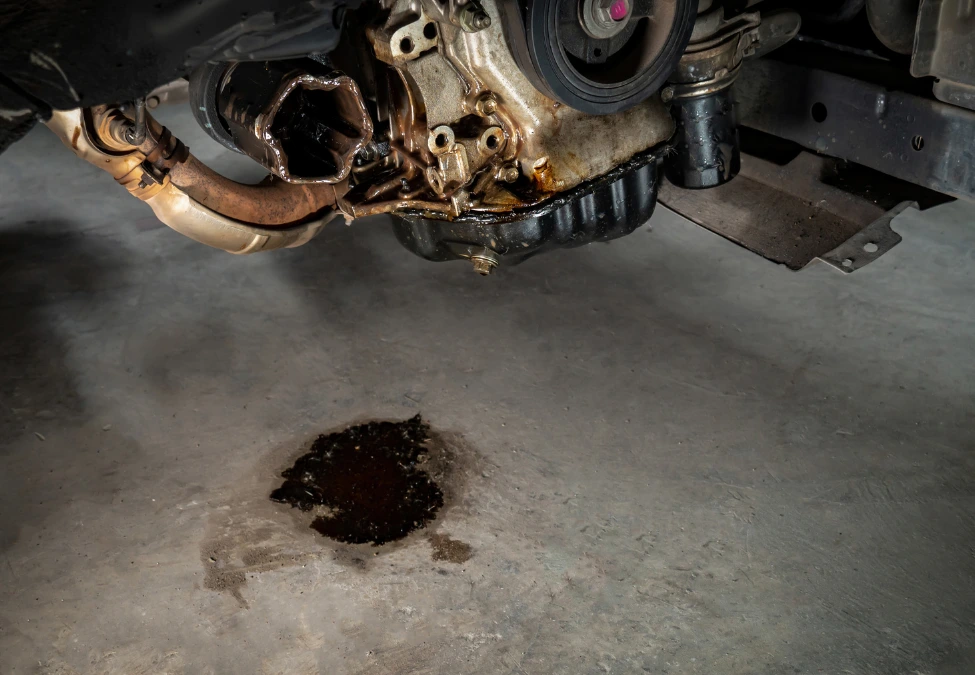
A driver needs to detect brake fluid leaks properly to maintain safe driving conditions. Four steps exist to detect the presence of a brake fluid leak.
1) Visual Inspection:
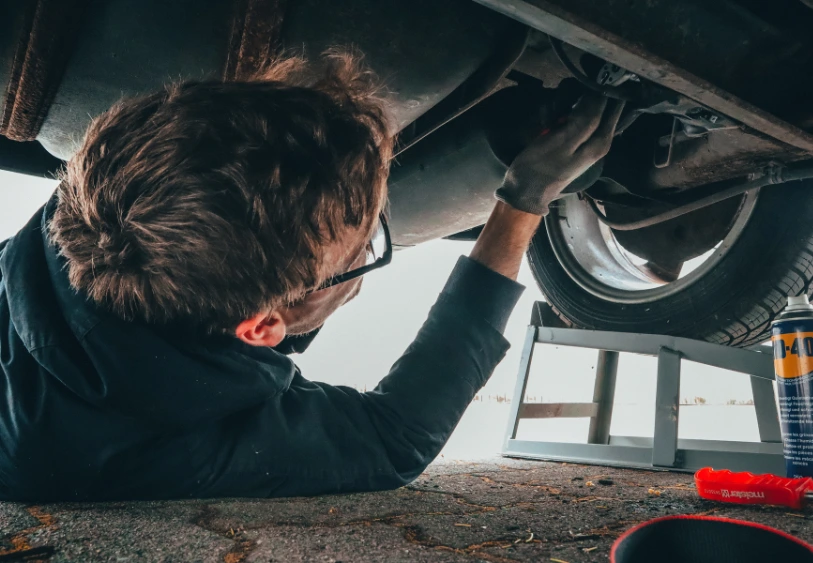
Persons should look beneath their vehicle for evidence of leaked fluid and dampness. A thorough evaluation should be conducted on the brake fluid reservoir in addition to brake lines, hoses, calipers and wheel cylinders to detect any visible signs of leakage.
2) Check Brake Pedal Feel:
Brake pedal application followed by evaluation of pedal reaction will help with diagnosis. When your brake pedal feels spongy or sinks, it shows that air is present within the brake lines, which generally occurs because of a fluid leak.
3) Inspect Brake Fluid Level:
If there is a fluid leak, the brake fluid reservoir will show a persistent decline in the fluid. When replacing the fluid, stick to the manufacturer's specified brake fluid.
4) Examine Brake Warning Light:
A brake warning light turning on indicates low brake fluid, which usually happens because of a leak. Review the reservoir while you search for leaking fluid.
5) Paper Towel Test:
White paper towels should be placed under the examined area for the entire night. The presence of a clear to light brown oily residue indicates that the substance is brake fluid.
6) Professional Diagnosis:
Professional mechanic assistance should be sought to perform detailed inspections with modern diagnostic equipment if you have any doubts.
Identifying the Source of the Leak
The effective solution to brake fluid leaks requires proper identification of the leakage point.
The following areas should be checked for brake fluid leaks:
1) Brake Fluid Reservoir:
You should examine the brake fluid reservoir for cracks and inspect both the cap and seals for damage. The reservoir develops leaks when its cap remains loose or when the reservoir itself suffers from cracking.
2) Brake Lines and Hoses:
Check brake lines along with hoses because you need to look for corrosion and any evidence of cracks and signs of wear. Both flexible rubber hoses age into crackable condition, and metal lines develop corrosive deterioration until they leak.
3) Brake Calipers and Wheel Cylinders:
Check for fluid leakage at the seals of brake callipers and wheel cylinders. When brake seals become worn, fluid escapes from the system, reducing the braking effect.
4) Master Cylinder:
The master cylinder needs to be inspected for possible leaks where it meets the brake lines. A master cylinder failure can lead to internal or external brake fluid leakage.
5) Brake Drums and Discs:
Wetness or fluid residue on brake drums or discs should be inspected because these signs indicate a potential leak from either wheel cylinders or callipers.
6) Under the Vehicle:
You should check under the vehicle for liquid accumulation, such as puddles or wet areas. Brake fluid near the wheels indicates potential damage to callipers or wheel cylinders. If liquid leakage is detected near the engine compartment, look for possible problems in the master cylinder and reservoir.
Causes of Brake Fluid Leak
Multiple elements can create the condition of brake fluid leakage. Knowledge of leak origins enables better preparation for stopping future incidents.
1) Damaged Brake Lines or Hoses:
Damage to brake lines and hoses from corrosion, cracks, and wear and tear causes fluid leakage. Older vehicles and those that experience harsh weather often develop this problem.
2) Worn Seals in Calipers or Wheel Cylinders:
The brake calliper and wheel cylinder seals wear over time, allowing fluid to leak. Leaks become more likely as vehicle mileage reaches advanced levels.
3) Faulty Master Cylinder:
Internal and external fluid leaks occur when a master cylinder develops a faulty condition. This condition affects brake pressure, resulting in reduced braking performance.
4) Loose or Damaged Reservoir Cap:
When the brake reservoir caps are loose or cracked, fluid escapes, resulting in a slow depletion of brake fluid.
5) Impact Damage:
Brake components such as lines, hoses, and the master cylinder that experience damage from accidents and road debris will leak fluid.
6) Improper Installation or Maintenance:
The installation process or maintenance errors result in brake component leaks. You must always stick to the manufacturer-recommended brake fluid type while following their guidelines.
How to Fix the Brake Fluid Leak?
The process of fixing brake fluid leaks requires locating the affected area, followed by executing the required solutions. Here are the steps:
1) Replace Damaged Components:
When these components suffer damage, the brake system needs new brake lines, hoses, seals, and the master cylinder. Install high-quality components correctly, following industry standards.
2) Repair or Replace Master Cylinder:
A faulty master cylinder needs to be repaired or replaced. Verify that blocking mechanisms are properly connected to brake system pipes.
3) Secure the Reservoir Cap:
Examine the reservoir cap for any signs of damage. Replace the container immediately when you notice loose or cracked conditions to stop fluid leakage.
4) Bleed the Brake System:
The brake system requires bleeding after repairs to remove air bubbles that block proper pressure levels. This ensures responsive braking.
5) Refill and Check Brake Fluid:
Add brake fluid according to manufacturer recommendations while also inspecting for any fluid seepage. Check that the fluid reservoir maintains its correct operational range.
6) Test the Brakes:
Inspection of repaired brakes should happen in a safe location to verify correct operation.
Preventive Measures to Avoid Brake Fluid Leak
Prevention is better than cure. Here are some preventive measures:
1) Regular Inspections:
Regular inspection of brake fluid levels combined with checks of lines, hoses and components will show signs of wear, damage or corrosion.
2) Brake Fluid Replacement:
The manufacturer recommends fluid change intervals to prevent fluid contamination that could result in leaks.
3) Check for Corrosion and Damage:
Vehicle owners should examine brake lines and hoses for damage signs particularly when dealing with old cars or extreme weather exposure.
4) Secure Reservoir Cap:
The reservoir cap needs to have a proper seal to stop fluid leakage.
5) Prompt Repairs:
Mending small brake system problems immediately stops dangerous brake system failures from occurring. Small leaks should not be disregarded because they develop into expensive repairs and dangerous situations.
6) Professional Maintenance:
Brake system maintenance should be performed regularly by a professional mechanic who checks all brake components remain operational.
Conclusion
When brake fluid leaks occur, they create two major problems that affect braking safety and system performance. Vehicle safety depends heavily on early detection and timely repair procedures. The best method to stop brake fluid leakage is through scheduled inspections, proper maintenance, and immediate repair work.
Fasttrack Emarat offers reliable and effective brake fluid leak repair services. It delivers brake system performance excellence through skilled technicians who install premium parts to keep your vehicle safe.

Written by Fasttrack
Fasttrack is your trusted companion on the journey of automotive expertise. With a rich history in the UAE's car service industry since 2004, we bring forth valuable insights and expert knowledge on car services and maintenance in the UAE through engaging blogs. You can trust Fasttrack's expertise to navigate the intricacies of automotive care, ensuring a reliable and informed perspective on the road to optimal vehicle performance.


